

A hallway is the one space everybody walks through and almost nobody plans. It is long, narrow, often a bit dark, and it takes more footsteps in a week than the living room does. The right runner changes all of that. It adds warmth underfoot, gives the entry a point of view, and protects the floor in the spot that gets hit hardest.
This guide covers how to choose hallway runner rugs that fit properly, how to match a style to the way you live, and how to keep a runner flat and safe. Every By Carmont runner is handmade in India from 100% premium polypropylene, so the same runner can sit in a hallway, a kitchen or a covered outdoor walkway. You can see the whole range in our runners collection.
Measure first, then shop
Most runner regrets come down to size, not style. Before you look at a single pattern, mark the space out with painter's tape. Stick two long strips down the hallway where the edges of the runner would sit, step back, and walk it a few times. You will know within a minute whether it feels generous or cramped.
A reliable rule of thumb is to leave 10 to 15cm of bare floor on each side of the runner and 10 to 20cm at each end. That border is what makes a runner look chosen rather than squeezed in.
| Hallway width | Floor showing either side of an 80cm runner | How it reads |
|---|---|---|
| 100cm | 10cm | Snug but tidy |
| 110cm | 15cm | The sweet spot |
| 120cm | 20cm | Comfortable and relaxed |
| 140cm or wider | 30cm or more | Consider a larger rug instead |
By Carmont runners come in an 80cm width, with lengths in the range that include 250cm, 300cm and 400cm. Each design's product page shows exactly what is available. That width suits most standard hallways, and the longer lengths cover a full run from the front door to the kitchen. If your space is wider than average, our size and placement guide will help you decide between a runner and a rug.
Allow for doors too. Check the clearance under any door that swings over the runner, and look at the thickness of the rug. The Capella rug, for example, is 10mm thick, which is slim enough to clear most doors.
Pick a style that suits the hallway you actually have
A hallway is narrow, so pattern does more work here than it would in a living room. Here are five directions, and the By Carmont designs that go with each.
Quiet and tonal
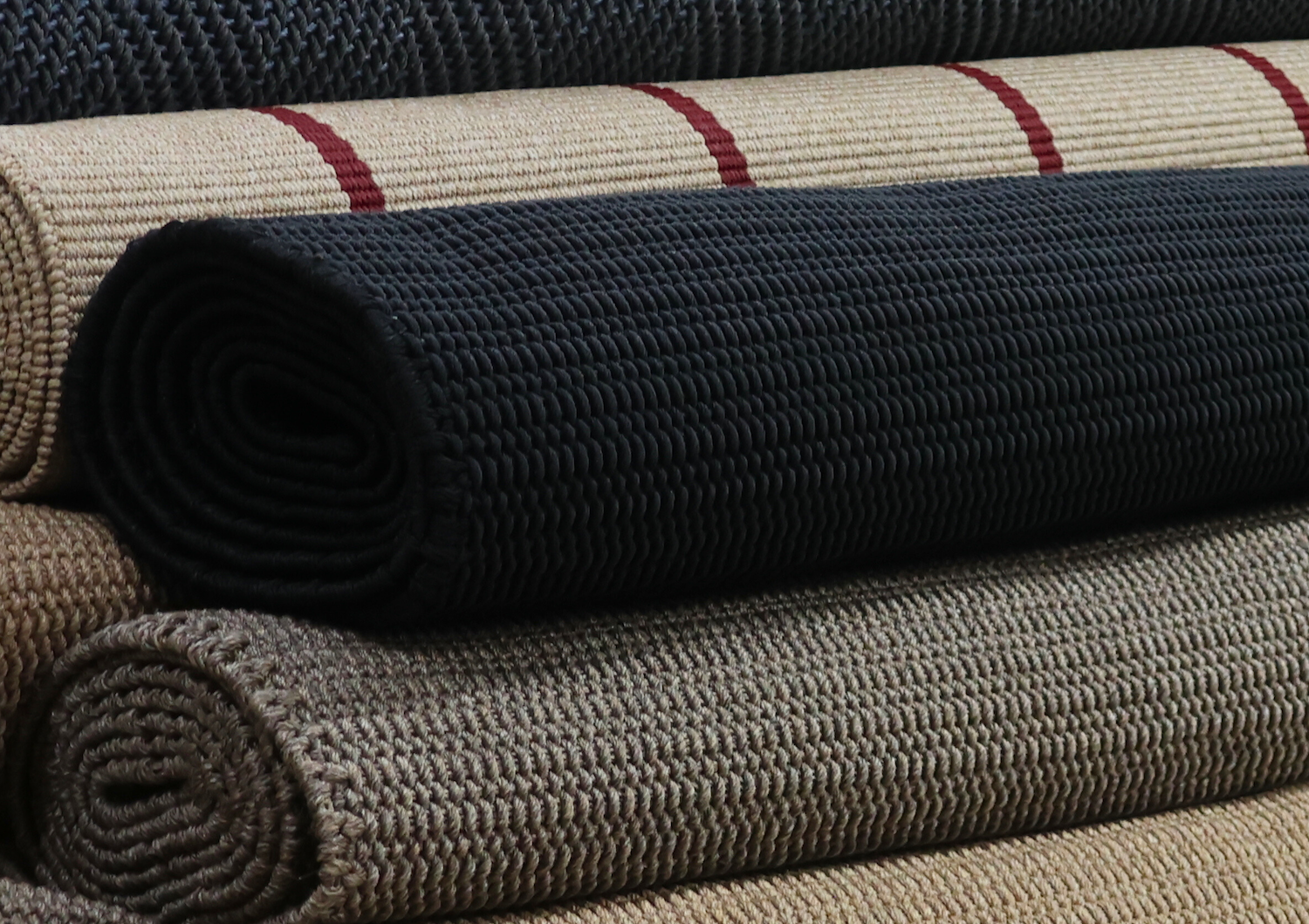
If the hallway leads into rooms with plenty going on, keep the runner calm. The Tone runner is woven in softly blended natural hues with a subtle texture, a calm and considered foundation for transitional spaces. Aman adds thick hand-plaited braids and a structured border in tranquil neutrals, so you get more texture without adding more colour.
Striped and tailored
Stripes that run along the length of a runner pull the eye down the hallway and make it feel longer. Belgrave leans bold, with thick, defined stripes and intentional spacing. Argyle is finer and more linear. Both are in an earth-toned taupe palette that sits well against timber floors and white walls.
Bold and textural
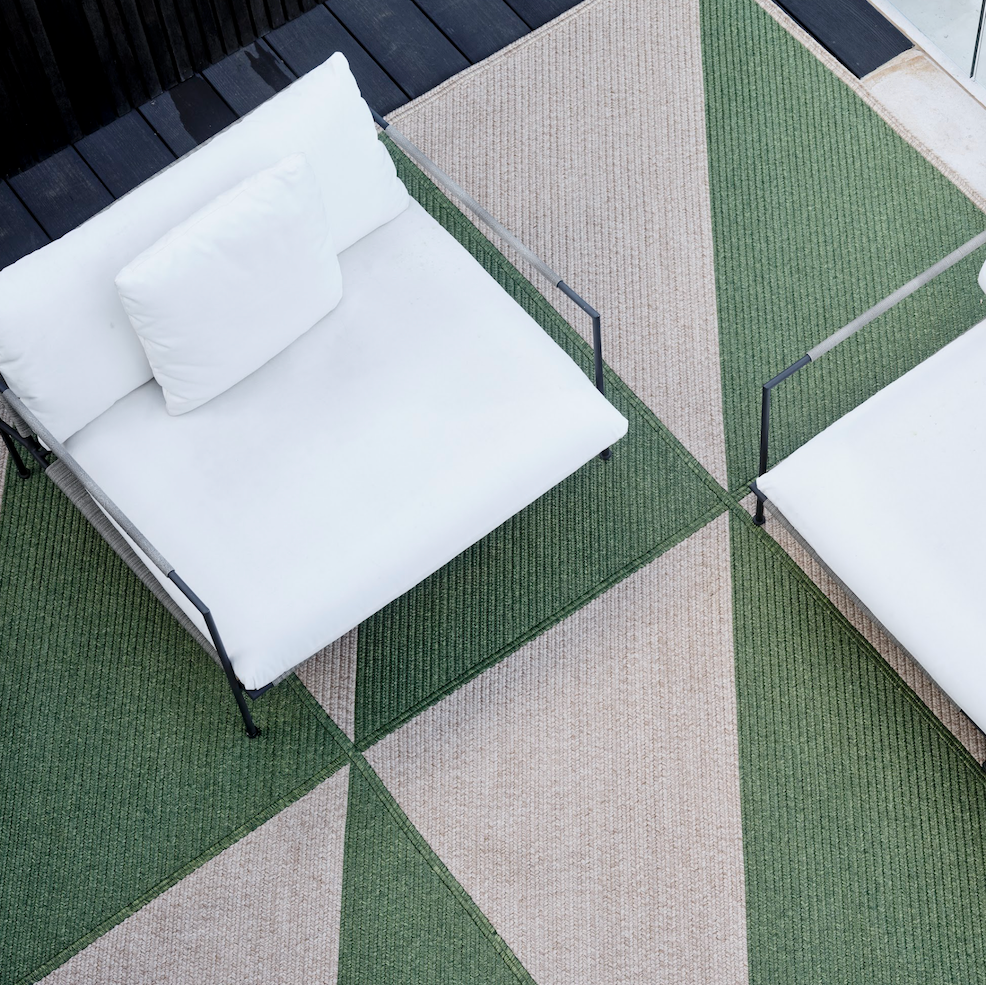
If the hallway is plain, let the runner be the feature. Marvell has a bold composition and a richly textured, handwoven surface that gives a white corridor real presence.
Crisp and coastal
Hermosa has a woven navy base, layered border detail and a crisp, tailored edge, which gives a hallway that polished beach house feel. Check the product page for current availability.
Soft underfoot
If the hallway is walked barefoot, The Capella is woven from 100% premium polypropylene and is fade resistant, moisture proof and soft underfoot.
Where the runner will live
Hallways and entries
Hallways collect muddy shoes, school bags and wet umbrellas, so a surface that shrugs off marks is worth more than any pattern. Polypropylene is stain resistant and waterproof, and most spills sit on the surface, where you can wipe them away before they set. Pair the runner with a doormat at the front door and most of the outside never makes it past the threshold.
Kitchens
A kitchen runner rug along the bench or in front of the sink softens a hard floor and catches drips. Choose a tightly woven, mid-tone design and keep a damp cloth handy. Tonal designs like Tone and Aman are forgiving in a kitchen because they do not show every crumb.
Covered walkways and side passages
Because By Carmont rugs are UV resistant and moisture proof, a runner can also work along a covered outdoor walkway or a side passage. If the space is fully exposed to the weather, our outdoor rug buying guide covers what to look for.
Keep it flat: why underlay matters
A runner that creeps is a trip hazard, especially on timber or tile. An underlay stops it slipping, protects the floor and extends the life of the rug. By Carmont has a dedicated runner underlay as well as sizes for rugs and doormats. Some designs, including Argyle and Belgrave, note on their product pages that no underlay is required, so check the page for the design you like. For the rest, it is easiest to add an underlay when you order the runner. You can see the sizes in our rug underlays range.
Getting the placement right
Centre the runner in the hallway so the gap on each side is the same, and run it parallel to the walls. If the hallway has a front door at one end, line the runner up with the door rather than the wall, because that is the line your eye follows when you walk in. In an L-shaped or T-shaped hallway, put the runner on the longest straight leg instead of trying to turn a corner with it.
Check where doors open too. A runner that tucks neatly under a bedroom door but is hit by the laundry door every morning will annoy you within a week. If a door swing is unavoidable, choose a flatter weave and use an underlay so the edge stays down.
Colour and light in a narrow space
Hallways are often the darkest part of the house, and colour behaves differently without a window. Light and mid-tone runners lift a dim corridor, while very dark ones can make it feel narrower still. If the hallway sees a lot of dirt, a mid-tone or striped design is more forgiving than a very pale one, and a tonal pattern like Tone or Aman will hide everyday wear far better than a plain, light surface.
Lay your sample out in the evening as well as the morning. The warm light of a hallway lamp can shift a taupe towards yellow, or make a navy look almost black.
Runners beyond the hallway
A runner is one of the most flexible shapes in the range, and the same piece can solve problems in several rooms:
- Galley kitchens. A runner along the bench catches drips and eases the strain on feet during long cooking sessions.
- Laundries. Moisture proof and quick to dry, a runner copes with damp floors far better than a natural fibre ever could.
- Bedsides. Two short runners, one on each side of the bed, give you something soft to step on without covering the whole floor.
- Outdoor walkways. Along a deck or a path to the pool, a runner keeps feet dry and defines the route.
Everyday care in practice
Day to day, a runner is easy. Vacuum or shake it out regularly, wipe up spills straight away with a damp cloth, and rotate it every few months so wear is spread evenly. For bigger messes, especially outdoors, hose it down and let it dry flat in the open air. Remember that By Carmont rugs are designed to be wiped or hosed, not machine washed, and the care guide sets out the recommended steps.
Mistakes worth avoiding
- Choosing the pattern before measuring. A beautiful runner that is too wide for the hallway is still the wrong runner.
- Going wall to wall. A runner needs some floor showing on each side to look intentional.
- Forgetting the doors. Check clearance and thickness before you order.
- Skipping the underlay on a hard floor. It is a small cost compared with a slip.
- Putting the runner in the washing machine. By Carmont rugs are designed to be hosed down or wiped clean, not machine washed. Our care guide has the full steps.
See it in your own light first
Hallways are often dim, and colour reads differently there than it does on a screen. Order a rug sample and lay it on your floor in the morning and in the evening before you decide. If you would like a second opinion on size or colour, you can book a design consultation, or visit the Sydney showroom by appointment.
The short version
Measure with tape, leave a border of floor, choose a pattern that suits the way the hallway is used, and add an underlay on hard floors. Get those four things right and a runner will quietly improve every trip from the front door to the kitchen, for years.
Find the right runner for your hallway
Handmade polypropylene runners in tonal, striped, bold and coastal designs. Order a sample to see the colour in your own hallway first.